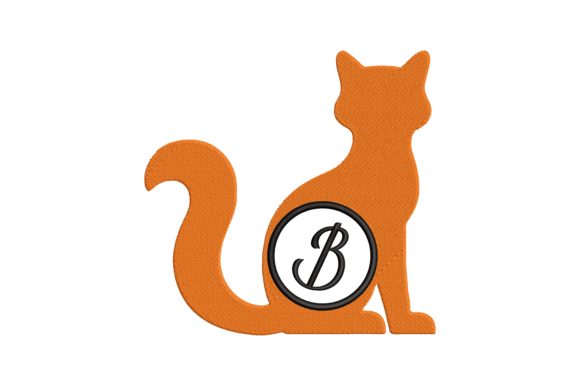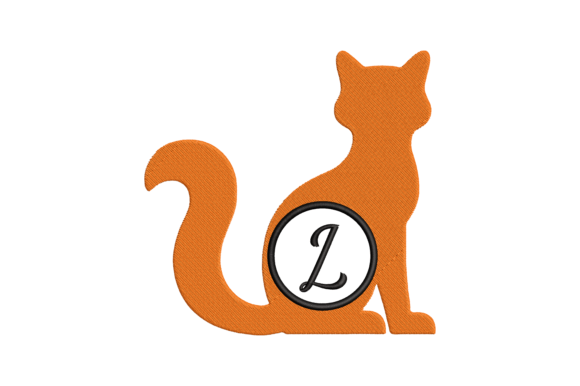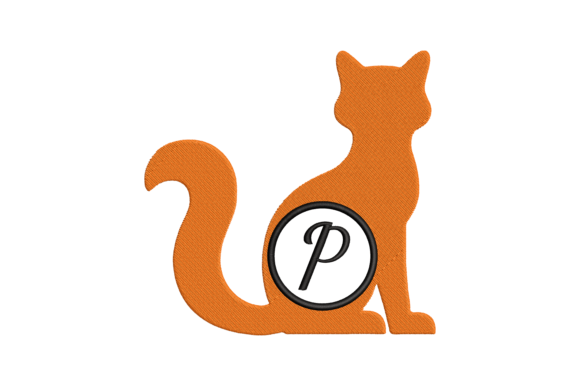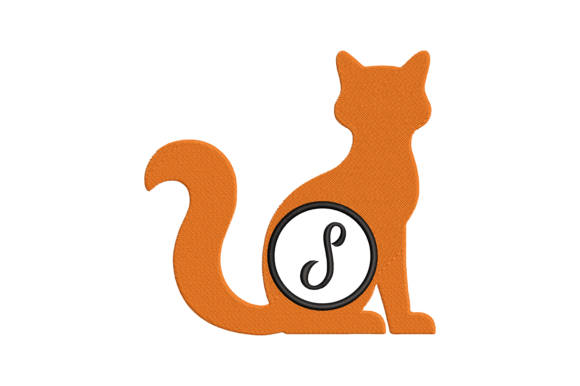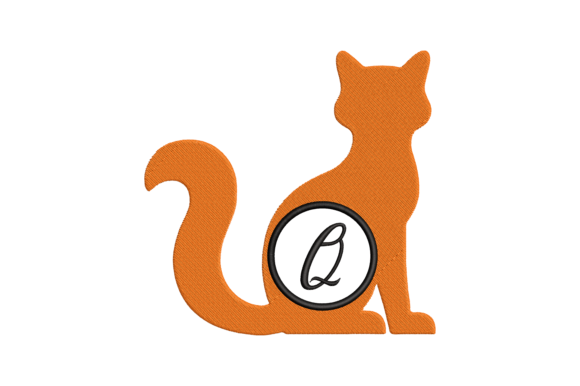
Cat Letter Q: A Charming, Practical Embroidery Design for Real Projects
First Impressions: Playful, Polished, and Purposeful
When I opened Cat Letter Q for the first time, I didn’t just see a letter—I saw a tiny personality. The cat’s head forms the curve of the Q, its ear doubling as the serif, and the tail curls neatly into the tail loop. It’s not cartoonish or overly cutesy; it’s balanced, intentional, and quietly confident. That matters—especially when you’re stitching something meant to last beyond a craft fair weekend. As a designer who’s shipped hundreds of embroidered tote bags, baby onesies, and boutique aprons, I know how much weight a single letter design carries in building recognition, warmth, and brand cohesion. Cat Letter Q lands right in that sweet spot: whimsical enough for handmade charm, refined enough for small business professionalism.
A Real-World Test: Stitching It on a Back-To-School Tote Bag
Last week, I prepped a custom order for a local teacher—a set of three canvas tote bags, each monogrammed with a student’s initial. For one, I chose Cat Letter Q. Why? Because “Q” is often an afterthought—awkward to stylize, easy to overcomplicate. But this design solved that. On medium-weight canvas, with medium tear-away stabilizer and 40-weight rayon thread, it stitched cleanly in under 90 seconds. The satin stitch around the cat’s outline held crisp edges, the fill stitch in the body stayed even without piling, and the tail’s fine curve resolved without skipped stitches—even on my older multi-needle machine. Customers noticed it immediately: “Oh! Is that a cat *in* the Q?” That kind of quiet delight? That’s what turns a functional tote into a keepsake.
Where It Shines—and Where to Pause
Cat Letter Q excels in projects where character and clarity go hand-in-hand:
- Custom apparel: Works beautifully on crewneck sweatshirts (left chest), relaxed-fit tees (pocket area), and structured caps (front panel)—as long as you use cutaway stabilizer on stretchy knits.
- Baby embroidery: Its soft contours and friendly expression suit onesies, burp cloths, and nursery pillows—no sharp angles or fragile details to snag during washing.
- Embroidered patch: Clean outer edge and moderate stitch density make it ideal for iron-on or sew-on patches on backpacks or denim jackets.
- Holiday embroidery & personalized gifts: Paired with a simple “Q is for Quiet” or “Q is for Quirky” sentiment, it adds instant charm to tea towels, pillow covers, or mini blankets—perfect for Back To School teacher appreciation or new-parent welcome kits.
That said, proceed thoughtfully on:
- Thin or slippery fabrics like silk charmeuse or lightweight rayon—test with extra stabilizer and lower top tension.
- Dark fabric backgrounds: The design relies on shape and contour more than contrast, so avoid ultra-fine white thread on black unless you’ve verified visibility in your mockup.
- Curved surfaces like baseball caps: confirm the design fits comfortably within your front-panel hoop size before digitizing adjustments.
- Products needing frequent washing: Reinforce with quality thread and consider a light cover stitch over delicate tail ends if using on toddler items.
Design Integrity Meets Business Reality
As an Etsy seller and craft business owner, I judge embroidery files not just by how they look on screen—but by how they affect buyer trust and perceived value. Cat Letter Q reads as *designed*, not assembled. There’s rhythm in the spacing, intention in the line weight, and restraint in the detail—no unnecessary flourishes that risk fraying or misalignment. That translates directly to customer confidence: when someone orders a personalized gift, they’re buying assurance that it’ll arrive looking thoughtful, not rushed. It also supports brand consistency—if you’re building a cohesive line of alphabet-themed nursery decor or school-ready accessories, Cat Letter Q doesn’t shout for attention; it belongs.
Practical Designer Notes Before You Stitch
Before adding Cat Letter Q to your next embroidery project—or listing it as part of a digital embroidery file bundle—run through these quick checks:
- Test on scrap fabric first, especially if pairing with textured weaves (like burlap or terry cloth).
- Review thread color contrast: Try it in charcoal gray on oatmeal linen and navy on cream cotton—it’s surprisingly versatile, but only if you verify.
- Check stitch density: Dense fills can flatten on plush fabrics; consider lightening density by 5–10% for fleece or sherpa.
- Confirm hoop size compatibility: This isn’t a micro-letter design, but it’s compact enough for 4x4 hoops—ideal for small shop inventory control.
- Inspect small details under magnification: the tip of the tail and inner ear line should resolve cleanly at your machine’s default settings.
- Test in black-and-white mockups: Helps spot unintended visual weight or imbalance before committing to thread.
- Compare light/dark background renders: Use your design software’s layer preview—not just the thumbnail.
- Use proper stabilizer: Medium cutaway for knits, tear-away for stable wovens, and fusible + tear-away for lightweight linens.
- Verify licensing: If selling finished products or digital embroidery files commercially, confirm whether Cat Letter Q permits both personal and commercial embroidery use.
Final Thought: Not Just a Letter—A Conversation Starter
Cat Letter Q won’t replace your full alphabet set—but it might become the one customers ask for by name. It’s the kind of design that makes people pause, smile, and say, “Wait—is that a cat?” That micro-moment of connection is gold for handmade product storytelling, Etsy listings, and boutique branding. Whether you’re stitching it onto a teacher’s coffee sleeve or packaging it as part of a digital embroidery bundle for fellow craft entrepreneurs, Cat Letter Q delivers quiet sophistication with real-world reliability. Just remember: great embroidery isn’t about complexity—it’s about clarity, care, and the confidence to let a single, well-crafted idea speak for itself.