Chopin Script Font: Elegant Embroidery for Meaningful Gifts
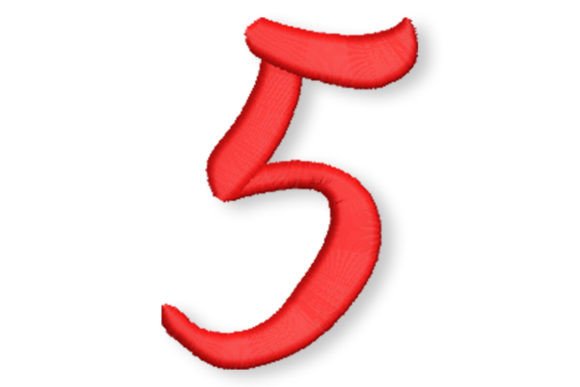
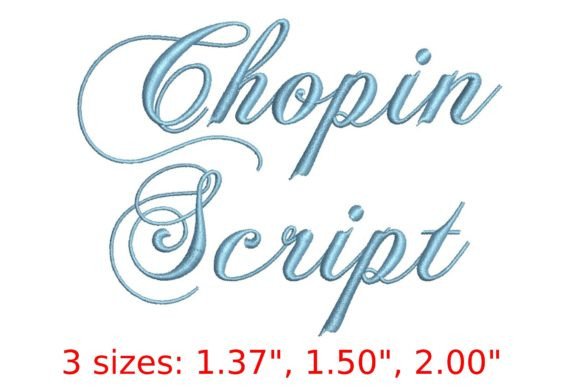
As an embroidery designer who’s stitched over 3,000 personalized gifts—from baby blankets signed with tiny initials to wedding towels monogrammed in ivory thread—I approach every new Creative Fabrica embroidery font with equal parts excitement and scrutiny. Chopin Script Font landed in my inbox during a quiet Sunday morning, and within seconds, I knew it was special. It doesn’t shout—it whispers elegance. Its curves flow like ink on vellum, its terminals taper softly, and its rhythm feels handwritten yet refined. There’s no stiffness, no digital sterility—just graceful movement that translates beautifully into thread.
A Font That Feels Like a Hug
Chopin Script Font carries a romantic, timeless warmth—ideal for handmade products where emotional resonance matters more than trendiness. It’s neither overly ornate nor too minimal; it strikes that rare balance between decorative charm and wearable clarity. When stitched on a cotton baby blanket, it reads as tender and personal—not generic. On a linen pillow cover for a nursery, it adds quiet sophistication without overwhelming the space. For wedding gifts, it evokes heirloom quality—think embroidered handkerchiefs or monogrammed robe sets where every curve feels intentional and lovingly placed.
Where Chopin Script Font Shines in Real Projects
This isn’t just another script font—it’s a versatile storytelling tool for makers who craft meaning into fabric. Here’s how it elevates everyday handmade items:
- Baby embroidery: Perfect for onesies, burp cloths, and milestone blankets—its soft strokes avoid harsh edges that might irritate delicate skin.
- Wedding gifts: Stitch “Mr. & Mrs.” on towel sets or “Est. 2024” on custom aprons—the font’s gentle spacing keeps names legible even at modest sizes.
- Family keepsakes: Use it to embroider full names on quilt squares or generation dates on woven wall hangings—it invites connection, not just decoration.
- Nursery decor: Works beautifully on canvas wall art, wooden crib mobiles (with iron-on transfers), and organic cotton swaddle wraps.
- Embroidered towels and pillow covers: Holds up well on textured terry and medium-weight linen—just mind your stitch density and stabilizer choice.
- Blanket embroidery and tote bags: Scales gracefully from 2-inch monograms to 6-inch quotes—maintaining fluidity without thinning out or collapsing.
- Personalized home decor: From ceramic mugs (via heat-transfer vinyl mockups) to framed hoop art, Chopin Script Font lends authenticity to any surface.
Practical Notes Every Maker Should Know
Because real-world stitching isn’t always perfect—and your reputation depends on flawless finished products—here’s what I’ve learned using Chopin Script Font across dozens of fabric types and client orders:
First, always create a test stitch-out. Even elegant scripts can behave differently on stretchy bamboo knits versus dense cotton twill. I recommend testing on scrap fabric that matches your final project’s weight and texture—especially for baby clothes or embroidered towels meant for daily use.
Pay close attention to small lettering. While Chopin Script Font is designed for readability, letters like “e,” “a,” and “g” contain delicate interior loops. If stitching below 1.5 inches tall, check that those inner shapes don’t vanish under thread buildup. A lightweight cutaway stabilizer usually gives cleaner results than tear-away on plush fabrics like fleece or thick blankets.
Thread color contrast makes or breaks the effect. Light gray or heathered fabrics need slightly richer thread tones—cream instead of stark white, charcoal instead of black—to preserve the font’s softness. And yes, dark fabric demands extra care: use a topping (like water-soluble film) to prevent stitches from sinking into nap or pile.
Washing durability? I’ve washed embroidered baby blankets featuring Chopin Script Font through six gentle cycles—no fraying, no fading—when paired with high-quality polyester embroidery thread and proper backing. But always confirm your thread brand’s wash recommendations and pre-wash fabric when possible.
Why This Font Builds Trust—and Sales
Your customers don’t buy thread and fabric. They buy legacy, love, and intention. Chopin Script Font supports that narrative effortlessly. When an Etsy seller uses it on a custom gift box label or a printable mockup for a client preview, it signals craftsmanship—not automation. Buyers notice the difference: smoother curves, balanced spacing, thoughtful kerning. That perceived quality lifts your entire shop’s credibility.
Photography benefits too. The font’s natural flow catches light gently, reducing glare in product shots. Whether styled flat-lay on marble or draped over a wicker basket, Chopin Script Font enhances presentation without competing for attention. It’s why so many small shop owners report higher engagement on listings featuring this style—it feels *made*, not mass-produced.
Before You Stitch: A Quick Checklist
To honor both your time and your customer’s trust, keep these steps in mind before launching into your next order:
- Review the embroidery file details on Creative Fabrica—confirm hoop size compatibility and included formats.
- Check licensing terms if selling finished products—Creative Fabrica’s commercial use policy applies to all embroidery files.
- Compare thread colors on screen *and* in natural light—digital previews rarely match physical thread perfectly.
- Confirm stabilizer type based on fabric: cutaway for knits, tear-away for stable wovens, fusible for lightweight silks or voiles.
- Inspect stitch density in design software—if overly dense for your fabric, adjust underlay or reduce fill coverage slightly.
And remember: Chopin Script Font isn’t just for weddings or nurseries. As Back To School season approaches, it adds quiet distinction to embroidered pencil cases, teacher appreciation totes, and personalized lunchbox linings—proof that elegance belongs in everyday moments too.
In a world of fast trends and fleeting aesthetics, Chopin Script Font endures because it honors the human hand behind the machine. It’s the kind of embroidery file that turns a simple pillow cover into a cherished memory—and that, truly, is why we stitch.