Cute Rabbit Number 2: A Back-to-School Embroidery Review
First Impressions: Charm, Clarity, and Quiet Confidence
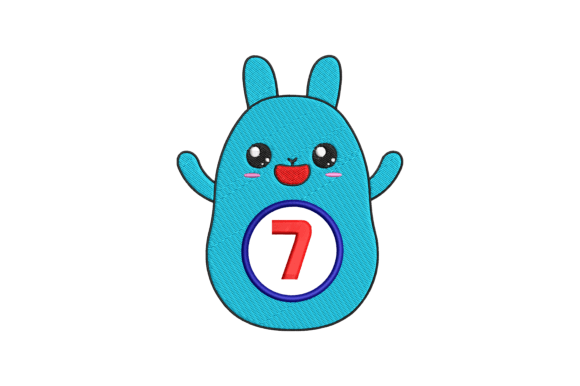
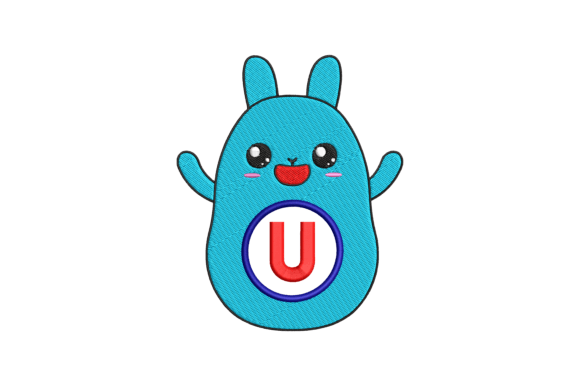
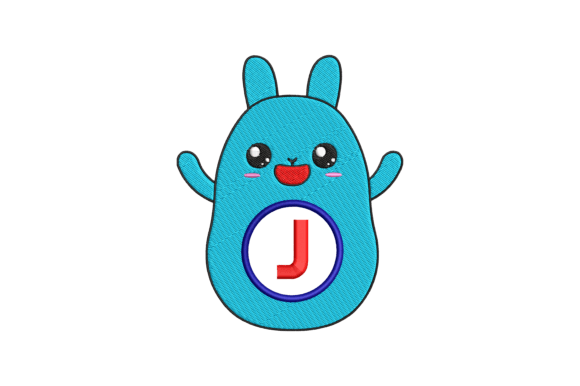
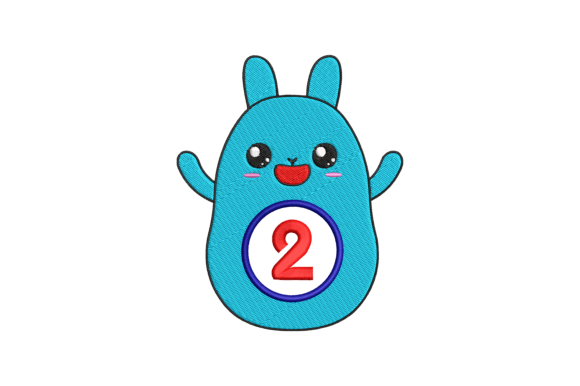
When I opened Cute Rabbit Number 2 on my embroidery software, I wasn’t met with overwhelming complexity — just a clean, friendly silhouette: a soft-eared rabbit cradling the number “2” in its paws. It’s not overly cutesy or saccharine; instead, it carries a gentle, hand-drawn warmth that reads as intentional, not generic. As an embroidery designer who regularly selects files for client projects and small-batch production, I immediately noticed the balanced use of satin stitch for outlines and smooth fill stitch for the rabbit’s body — no jagged edges, no pixelated curves. The design feels cohesive, like it was digitized with fabric behavior in mind, not just screen appeal.
Fits Naturally Into Real-World Projects
Cute Rabbit Number 2 doesn’t shout for attention — it invites connection. That makes it ideal for pieces where personality matters more than flash: baby blankets, nursery pillow covers, embroidered kitchen towels for a teacher’s gift, or personalized tote bags for first-day-of-school kits. I tested it on a lightweight cotton twill apron and a midweight organic sweatshirt — both came out crisp and dimensional without excessive bulk. On stretchy knit fabrics, I used a light cutaway stabilizer and reduced top tension slightly; the result held shape after washing, with no puckering around the rabbit’s ears or the curve of the “2.”
Performance Across Fabric Types and Surfaces
- Tote bags & pillow covers: Works beautifully on canvas and linen blends. The moderate stitch density keeps it flexible and drape-friendly — no stiffening or cracking after repeated use.
- Sweatshirts & caps: Fits comfortably in a 4x4 hoop, which is essential for curved cap surfaces. I stitched it on a structured trucker cap using tear-away + topping; the rabbit’s face stayed legible, and the number remained proportionally balanced.
- Baby items & kitchen towels: The design avoids ultra-fine details (no tiny whiskers or micro-stitching), so it holds up well through laundering. No running stitch underlay was needed — just standard stabilizer matched to fabric weight.
- Dark fabric: Tested on navy cotton twill with light ecru thread — the contrast was soft but clear. For higher visibility on black or charcoal, consider switching to ivory or pale gray thread rather than white.
What This Design Adds to Your Handmade Product
Using Cute Rabbit Number 2 isn’t just about adding decoration — it elevates perceived value. Customers browsing Etsy or craft fairs respond to designs that feel curated, not mass-produced. This rabbit has quiet storytelling power: it suggests care, playfulness, and intentionality — qualities that align naturally with handmade branding. When photographed on a neutral background or styled in a printable mockup, it enhances product photography without competing with the item itself. For boutique merchandise or Back To School collections, it supports brand consistency across multiple SKUs (e.g., matching rabbit motifs on a child’s lunchbox pouch, backpack tag, and teacher appreciation towel).
Practical Notes Before You Stitch
Before committing to a customer order or production run, take these steps:
- Test on scrap fabric — especially if you’re stitching on textured weaves or performance knits.
- Check thread color contrast early. Some versions of Cute Rabbit Number 2 include suggested palettes; others leave it open. A warm taupe rabbit against oatmeal linen reads differently than a bright pink version on navy denim.
- Review stitch density in your software. If you see unusually dense fill areas (especially in the rabbit’s body or the inner curve of the “2”), adjust underlay or reduce density by 5–10% for breathable fabrics.
- Confirm hoop size — while it fits easily in 4x4, double-check whether your machine’s default settings match the file’s native dimensions. Rescaling can distort satin stitch flow.
- Compare light/dark fabric mockups before listing. A design this gentle gains or loses impact depending on background tone.
- Use proper stabilizer: medium-weight cutaway for knits, tear-away for stable wovens, and water-soluble topping for fuzzy or napped surfaces like terry cloth towels.
- Inspect small details post-stitch: the rabbit’s paw holding the “2” is subtle — make sure it’s fully formed and not lost in thread buildup.
- Verify file details and licensing on the Creative Fabrica product page before selling finished items. Licensing varies per designer — some allow commercial use with attribution, others require extended licenses for resale.
Where It Shines — And Where to Pause
Cute Rabbit Number 2 excels in personalized gifts, classroom-themed apparel, and nursery decor. Its scale and simplicity make it forgiving for beginners and reliable for pros managing tight deadlines. It’s also versatile enough to pair with coordinating fonts or monograms — think “Emma’s First Day – 2024” with the rabbit tucked beside the year.
That said, it’s not built for ultra-minimalist branding or high-contrast athletic wear. If your shop leans into bold, graphic aesthetics, this design may read too soft unless paired intentionally. Likewise, avoid scaling it beyond 120% — the satin stitch legs and number curves begin to lose definition.
Final Thoughts for Designers and Sellers
As someone who evaluates hundreds of embroidery files each year, I appreciate when a design like Cute Rabbit Number 2 delivers what it promises: charm without clutter, detail without fragility, and versatility without compromise. It’s not flashy — but it’s trustworthy. In a crowded digital marketplace, reliability translates directly to fewer reworks, happier customers, and stronger repeat business. Whether you're prepping for Back To School season or building a signature line of embroidered baby gifts, this Creative Fabrica embroidery file earns its place in your active design assets. Just remember: always test, always stabilize, and always let the handmade quality speak for itself.