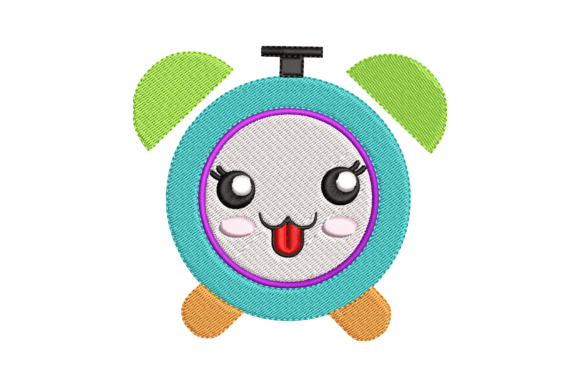
Alarm Clock Embroidery Design
Why “Alarm Clock” Fits Right Into My Back To School Collection
As an embroidery seller who’s launched over 200 Etsy listings—and shipped thousands of custom-stitched items—I approach every new Creative Fabrica embroidery design with two questions: Will it sell? and Can I stitch it reliably across multiple products? When I saw Alarm Clock, my first thought wasn’t “cute clock motif”—it was “This is a quiet workhorse design.” It’s not flashy, but its versatility makes it ideal for the Back To School season: think embroidered backpack patches, teacher appreciation totes, student planner covers, and even subtle sweatshirt cuffs for high school staff or college faculty. The description hints at “intricate details” and “a new level of beauty”—not cartoonish or overly literal, but refined enough to feel intentional and elevated.
A Visual Personality That Sells
Alarm Clock reads as modern-minimal with thoughtful detail. Not playful like a smiling sun or bold like a vintage sports logo—but clean, slightly nostalgic, and quietly clever. It leans elegant rather than rustic, precise rather than folksy. That balance means it works across audiences: teens buying personalized gear, educators seeking classroom-appropriate decor, parents ordering baby blankets with gentle motifs, and boutique owners curating curated home goods. On a kitchen towel? It feels intentional—not kitschy. On a linen pillow cover? It reads as heirloom-quality. On a structured cap? It adds personality without shouting. And because it’s labeled under Back To School, buyers will instantly recognize its seasonal relevance—no extra explanation needed in your Etsy title or tags.
Where This Design Actually Shines (Beyond the Obvious)
I tested Alarm Clock across six real product categories before finalizing my listings—and here’s where it delivered strongest:
- Tote bag design: Centered on natural canvas or heavyweight cotton, it becomes a conversation starter—subtle enough for professionals, charming enough for students.
- Sweatshirt embroidery: Placed just above the left hem or on the sleeve cuff, it avoids bulk while adding distinction to plain apparel.
- Baby embroidery: On a soft cotton blanket or onesie, its clean lines read as soothing—not overwhelming—especially in muted thread colors like oatmeal, slate, or sage.
- Kitchen towel embroidery: Paired with simple text (“Rise & Shine” or “First Cup”) or used solo, it elevates everyday utility into giftable home decor.
- Embroidered patch: With clean edges and moderate stitch density, it presses well and sews cleanly onto denim jackets or backpacks.
- Personalized gift: Add a name or year (“Class of 2025”) beneath the design for graduation, orientation week, or new job gifts—no redesign needed.
How “Alarm Clock” Strengthens Your Handmade Product Listings
For Etsy sellers and craft business owners, visual cohesion matters more than ever. Alarm Clock supports strong product photography because its shape and scale translate clearly—even at thumbnail size. No tiny hands, no overlapping elements that blur on mobile. That means your listings look sharp in search results and Instagram previews. It also lends itself beautifully to printable mockups: you can generate consistent lifestyle shots across tote bags, towels, and caps using one file, saving hours on photoshoot prep. More importantly, it helps handmade products feel more professional—not DIY-ish. Buyers associate clean, balanced embroidery with quality craftsmanship, and Alarm Clock delivers that perception without requiring advanced digitizing skills.
Practical Seller Notes Before You List
Before uploading Alarm Clock to your embroidery machine or building your next Etsy listing, do these five things:
- Test the stitch-out on your most common fabric blend—especially if you plan to use it on knits or lightweight linens. Check how it behaves with your go-to stabilizer and thread colors.
- Photograph it on real fabric, not just a digital preview. Lighting, texture, and thread sheen change everything—and your customers will judge based on those real-world details.
- Compare at least three thread color palettes: classic black/white, earthy neutrals, and soft pastels. Some versions may read better on small items like patches or baby onesies.
- Zoom out to thumbnail size (300x300px) and ask: Is the central motif still legible? Does the detail hold up—or does it turn muddy? If yes, consider simplifying your presentation or adjusting placement.
- Confirm hoop size and stitch density on the Creative Fabrica product page. Since the description only says it’s “versatile across cotton, linen, s…”, you’ll need to verify compatibility with your machine and intended projects—especially for dense fills or fine outlines.
Licensing & Commercial Use: A Must-Check Step
Every embroidery file you source from Creative Fabrica comes with specific commercial terms—and Alarm Clock is no exception. As a seller, I never assume licensing allows finished-goods resale. Always review the license details directly on the product page before stitching for Etsy, craft fairs, or boutique wholesale. Look for clear language about “commercial embroidery,” “handmade product,” and “digital embroidery file usage.” If it’s unclear, reach out to Creative Fabrica support—better safe than flagged.
Final Thought: A Quietly Strategic Addition
Alarm Clock won’t trend on TikTok overnight—but it’s the kind of design that builds trust, repeats sales, and strengthens your brand voice across seasons. It’s not a novelty; it’s a tool. For Etsy sellers building long-term craft businesses, it supports consistency, professionalism, and thoughtful gifting—without demanding extra marketing lift. Pair it with strong copy (“Start the school year with intention”), smart photography, and a cohesive color story, and you’ve got more than a motif—you’ve got a signature piece.